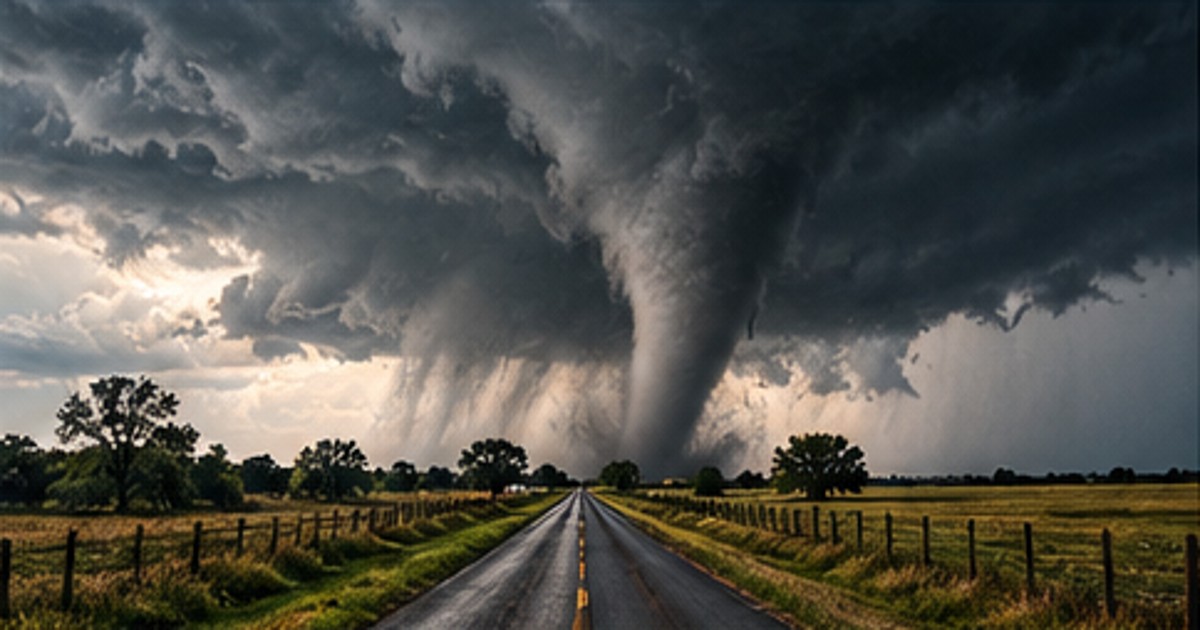
Texas weather hazards differ by region and season. Thunderstorms can produce damaging wind and hail, heavy rain can cause flash flooding, and prolonged heat can place people and animals at risk.
What Texans should know
Know the difference between a watch and a warning. A watch means conditions are favorable for a hazard; a warning means a hazard is occurring or imminent in the warned area. Follow instructions from the National Weather Service and local emergency officials.
Identify a safe indoor location before storms arrive. During a tornado warning, seek a small interior room on the lowest floor of a sturdy building, away from windows. Never drive through flooded roadways; water depth and road damage can be difficult to judge.
Practical next steps
Prepare a basic kit with water, medications, a flashlight, charging options, important contact information and supplies for children and pets. Families should agree on how they will communicate if power or mobile service fails.
Use weather.gov for forecasts and warnings, Ready.gov for planning guidance and local emergency management channels for evacuation instructions.
Editorial note: This is an evergreen explainer, not a report of a new incident. Verify current local requirements with the linked agencies. Illustrative site photography does not depict a specific reported event.