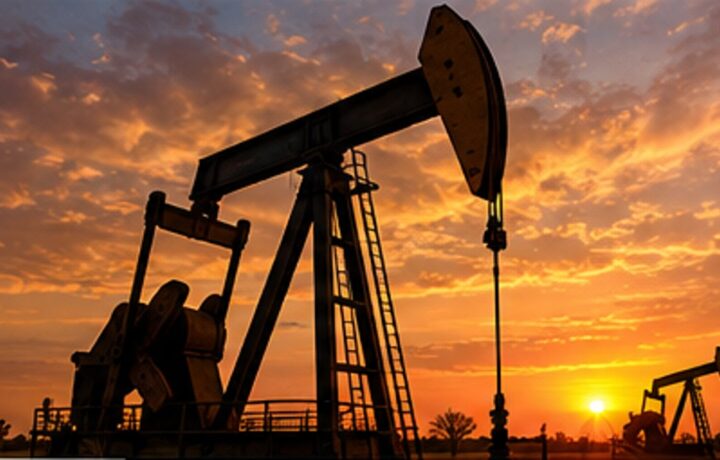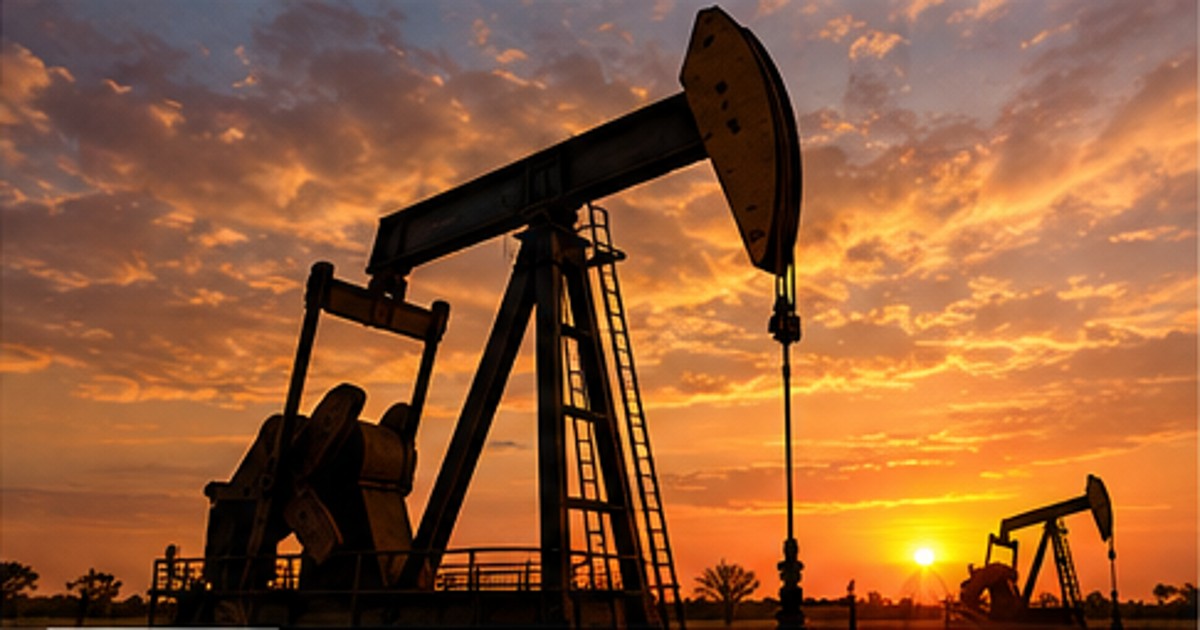
Texas plays a major role in U.S. oil and natural gas production. The industry includes exploration, drilling, well operations, gathering systems, pipelines, processing plants, refineries and many specialized suppliers.
How the system works
Crude oil and natural gas are different products with distinct uses and transport systems. Refineries transform crude into fuels and other products; natural gas can be used for electricity generation, heating and industrial processes.
What to verify
Production volumes are not the same as consumer fuel prices. Retail prices can reflect global commodity markets, refinery operations, transportation, taxes, seasonal demand and local market conditions.
Official resources
The Railroad Commission of Texas regulates important aspects of the state’s oil and gas industry. The U.S. Energy Information Administration publishes data on production, storage, prices and energy use.
What readers can do next
When reading industry claims, check the date, units and geography. A national headline about production may not describe a particular Texas basin or refinery.
Editorial note: This is a general explainer, not a report of a newly occurring event. Review official sources for current rules and figures. Illustrations are AI-generated, not documentary photographs.